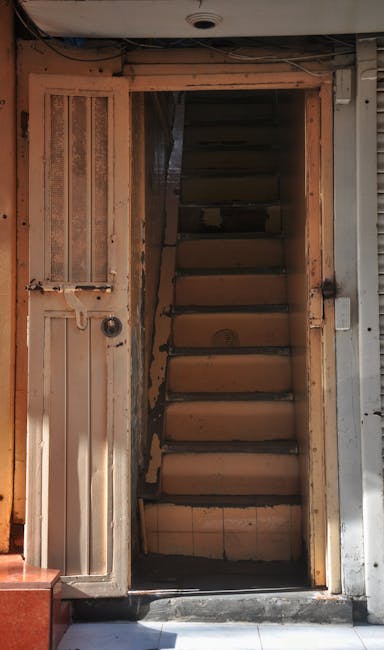
Removal Company in Hackney

Our removal company in Hackney provides practical moving support for homes, flats and smaller business premises, with a focus on organised loading, careful handling and straightforward planning. We cover everyday moves as well as items that need more considered lifting, and we work with customers who want a clear, dependable service rather than a complicated process. Whether you are moving across the borough or arranging transport for a few key items, the service is built around getting belongings from one place to another in a sensible, orderly way.
The main work includes house removals, flat removals, furniture removals and man and van support, alongside related help such as packing and storage where it is needed. We keep the service flexible enough for different property types, access arrangements and load sizes, while staying focused on the core moving job. Everything starts with a clear plan, because a well-organised removal is usually easier on both time and belongings. If you are comparing options, it is sensible to ask for a quotation based on the actual items and route involved.
If you need a move arranged in Hackney, use the pages below to explore the main service areas and decide what fits best. You can also request a quotation once you have a good idea of the move size and access details.
House and flat removals
House removals and flat removals make up the core of what we do, with services shaped around the practical realities of domestic moving. In a house move, the emphasis is usually on the larger furniture pieces, boxed household items and coordinating a fuller load. In a flat move, access, stairs, lifts and parking can matter just as much as the volume of goods, so careful preparation and sensible loading order become especially important.
We can help with moves from one property to another, whether the items are packed in advance or still need sorting into a workable moving plan. When a move involves several rooms, the job is often smoother if the most awkward furniture is identified first and the loading sequence is considered before the van arrives. For more on the type of domestic work we handle, see our house removals service, which covers fuller home moves with a practical approach to transport and handling.
For smaller domestic loads and compact property moves, a lighter vehicle-based arrangement may be enough, especially where access is limited or the volume is moderate. Our flat removals page is useful if you are moving from an apartment, studio or maisonette and want to understand how the service can be adapted to tighter access. If you are still deciding, a simple list of the main items can make the quotation process easier.
Furniture and specialist item transport

Some moves are really about the furniture rather than the whole property. We handle furniture removals and furniture pick-up work for sofas, wardrobes, tables, beds and other bulky items that are awkward to transport in a standard vehicle. The priority is to move each item securely, with attention to shape, weight, fragile surfaces and the practical route out of the property. This is particularly useful when a customer has bought a single item, is replacing old furniture or needs only part of a home cleared.
Where needed, we can also help with more demanding items that require additional care during lifting and placement. Piano removals are a distinct task because the weight, balance and finish of the instrument call for a more considered approach than ordinary furniture. Our piano removals page sets out this specialist service, while the broader furniture removals page is a good starting point for everyday bulky pieces and larger household items.
When arranging a furniture job, the most helpful information is usually the size of the item, the floor level at each end and whether there are any awkward turns, tight doorways or narrow stairs. That is enough for many straightforward enquiries, and it also helps keep the move realistic from the outset. If you want to compare transport-only options, the furniture pick-up page explains the sort of job that sits between a single-item collection and a fuller removal.
Moving vehicles and van-based support
Not every job needs the same type of vehicle or crew structure, which is why van-based moving support is such a useful part of the service. Our man and van option is suited to smaller home moves, partial loads, furniture collections and other transport jobs where flexibility matters more than a large removal setup. It is often chosen when a customer wants help with lifting, carrying and loading without booking a full domestic removal package.
The related man with a van service is a familiar choice for compact moves, while the man and van page covers the same type of practical transport support in a way that is easy to compare with other options. For customers who need a vehicle description as part of the enquiry, the removal van and moving truck pages provide more specific service wording. These pages are useful when the key decision is the kind of transport rather than the scale of the move itself.
Van-based removals are often best when the access route is simple, the load is manageable and the customer wants a more focused service for a short or medium journey. They can also work well for university moves, mixed furniture and box loads, or items that need to be transferred on a particular day rather than over a long schedule. If you are planning around a limited set of belongings, make a note of what needs loading first and what must stay upright during transport.
Packing, boxes and preparation
Packing is often what turns a difficult move into a manageable one, especially when furniture, breakables and everyday household items all need to travel together. Our packing and boxes page covers the practical side of preparing items before a removal, while packing and unpacking services is helpful for customers who want more direct assistance. The aim is not to overcomplicate the process, but to make sure goods are grouped sensibly and protected in a way that suits the move.
Good packing usually means choosing the right box size, keeping heavier items lower, and separating delicate objects from bulky mixed loads. It is also useful to label items in a way that reflects where they are going, especially if you are moving from several rooms or combining storage with transport. A short inventory of key belongings can save time later, and it makes it easier to match the service to the actual work involved. If you prefer to do some preparation yourself, there is still room to use professional help for the heavier lifting.
Two practical steps often make quoting and moving simpler: first, identify any large or fragile items that need special handling; second, think through access at both addresses, including parking, stairs and lift use. Those details help us understand the shape of the job without adding unnecessary complexity. If the move involves fragile glass, framed pieces or awkward furniture, it is worth separating those items in your notes so the handling plan can be built around them.
Commercial removals and office moves
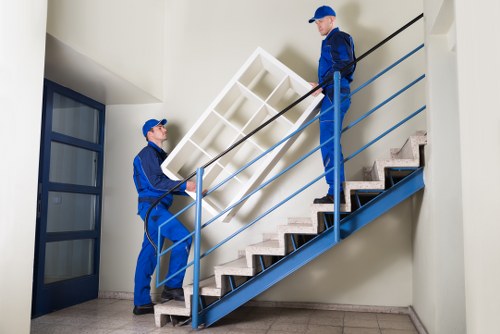
We also handle commercial moves, including office removals and office relocation services for businesses that need desks, chairs, files, IT equipment and other office contents moved with order and care. A commercial move usually depends on access times, the layout of the premises and the sequence in which equipment should be lifted and delivered. The service is designed to keep the move practical and controlled, whether the load is a small office or a more substantial workplace relocation.
Business customers often want more than simple transport, because office items may need to be grouped by department, moved in stages or placed in a specific order at the destination. Our office removals page outlines the more direct moving service, while office relocation services is a useful destination if you are planning a fuller move with a clearer sequence of tasks. For businesses comparing options, these pages help separate straightforward transport from more structured relocation support.
Where a commercial move also involves furniture, archive boxes or mixed equipment, it is useful to plan what must be moved first and what can wait until the end of the day. That reduces disruption and makes the moving order easier to follow. If you are arranging work for a business premises, include access notes, building rules and any timing restrictions when you request a quotation.
Prices, quotations and practical planning
Quotation details matter because removal work varies with volume, access, distance, handling difficulty and whether extra services are included. Our pricing and quotes page is the right place to start if you want to understand how a moving estimate is put together. The aim is to base the figure on the real job rather than a guess, which usually means describing the number of rooms or items, the type of property and any special access points.
There is no need to overstate the job in order to get attention; accurate information is more useful than a dramatic description. A sensible quotation request usually covers what is moving, where it is going, whether there are stairs or lifts, and whether any items need dismantling or careful wrapping. If the job is straightforward, that may be enough to produce a practical price guide. If it is more complex, a clearer breakdown helps avoid confusion later on.
For many customers, the best next step is simply to match the service type to the load. A domestic move, a furniture-only job and a van-based collection all need slightly different planning, but each can be described clearly if the information is complete. Clear notes lead to clearer quotes, and that is often the quickest route to deciding what to book. If you are ready to compare options, gather the basic details first and then make the enquiry.
Service standards and customer support
Removal work depends on trust, care and sensible organisation, so it is useful to know what supporting policies sit behind the moving service. Our insurance and safety page explains the approach to protecting people and property during handling and transport, while health and safety policy covers the broader operating principles. These pages are there to help customers understand the framework around the service rather than to add unnecessary complexity.
There are also practical pages about payment and security and terms and conditions, which are useful if you want to review the commercial basics before confirming a move. For customers who prefer to understand how the business handles queries or complaints, the complaints procedure and about us pages provide additional background. These pages support a more transparent service experience without changing the core moving work itself.
If you are choosing between several removal options, it can help to think in terms of what needs moving, how much handling is involved and what access the property allows. Those three points are often enough to separate a simple van job from a fuller removal package. A quick, structured enquiry usually gives a more useful answer than a very brief message with no detail at all.
About Hackney
Hackney is a North and East London borough with a layered identity shaped by canals, housing estates, conservation areas, creative venues and long-established high streets. Its name refers to the larger borough rather than only the central district, and that distinction matters because Hackney contains several varied neighbourhoods, each with its own character. The Regent’s Canal forms one of the area’s most recognisable physical features, linking waterways, former industrial sites and regenerated waterside stretches. London Fields, Victoria Park and Hackney Marshes give the borough substantial open space, from riverside walks to large grassland areas used for recreation and sport. The marshes, in particular, are closely associated with the River Lea corridor and with one of the largest continuous open spaces in inner London. Hackney’s built environment is equally mixed: Georgian terraces, Victorian streets, interwar estates and modern infill all sit alongside older civic and religious buildings. Mare Street and Hackney Central act as important local reference points, while nearby areas such as Dalston, Homerton, Clapton and Stoke Newington each add a distinct layer to the borough’s identity. Cultural life is also strong, with theatres, live music venues, markets and community spaces contributing to a lively everyday rhythm. That combination of waterways, green space, residential density and long-running urban change has made Hackney one of London’s most recognisable inner-borough landscapes, with a character that is both historic and continually evolving.
Smaller moves, storage and final arrangements

Some customers do not need a full household relocation, but still want reliable help with smaller loads or staged moving plans. Student removals, short-notice collections and partial home moves all sit comfortably within the wider service. Our student removals page is useful if the load is mainly boxes, small furniture and personal items, while same day removals covers jobs that need to be arranged quickly when timing matters. These are practical options rather than special promises, and they are best considered in relation to the exact load and access.
Storage can also play a part when move dates do not line up neatly or when only some belongings are going to the new address at once. The storage page gives a route into that part of the service, which is helpful for customers handling phased moves, temporary gaps between properties or items that are better kept aside for a while. Where the furniture or boxes are not required immediately, a move can sometimes be made easier by separating what is going direct from what is staying in storage.
For customers organising a more general removal package, the main decision is usually whether the job is best treated as a household move, a furniture-only collection or a van-based transport task. Once that is clear, the rest of the enquiry tends to be straightforward. You can keep the first message brief, then add any key item notes, access details and preferred timing afterwards.
Related information and next steps
It can be useful to review a few related service pages before making a final decision, especially if you are comparing the scope of the move with the type of help you need. Our removals and removal services pages give a broader overview of the work we cover, while commercial moves is relevant if the job involves business premises rather than a home. For customers who prefer to browse by company and service summary, removal companies can also be a helpful page to review alongside the main service information.
There are a few other practical pages worth noting when you want a fuller picture of how the service is organised. recycling and sustainability sets out the handling of reusable or recyclable items, and the policy pages help explain how the business manages information and responsibilities. If you are still weighing up the best fit, a balanced enquiry with the main items listed is usually the quickest way to move from general browsing to a specific plan.
For a straightforward start, choose the page that best matches your move type, then send the details that matter most. If you already know the service you need, request a quotation and include the key access notes so the response can be based on the real job.