Narrow staircases Hackney removals awkward access solutions
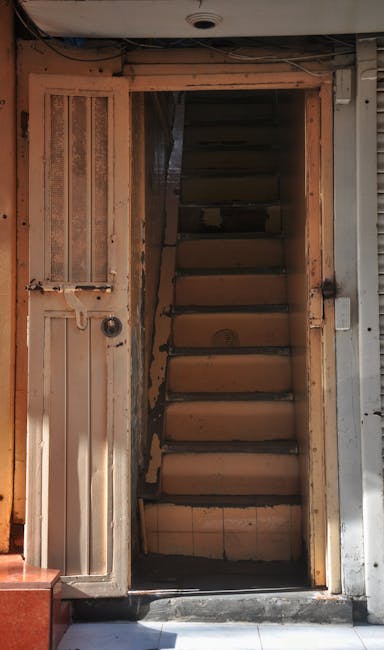
Moving house or office in Hackney can feel straightforward right up until you meet the staircase. Narrow turns, steep landings, awkward rails, tight front doors, top-floor flats, and that one stubborn sofa that looked fine in the showroom but suddenly seems enormous on moving day. If you are searching for Narrow staircases Hackney removals awkward access solutions, you are probably dealing with a real access problem, not a theoretical one. That matters, because the right approach can save time, protect your belongings, and reduce the chance of injury or damage.
This guide breaks down how awkward access removals are handled in practical terms: what to check in advance, how movers plan the job, what tools and methods help, where the risks sit, and when it makes sense to choose a specialist team such as professional removals or a smaller man with van setup for tighter properties. Let's face it, Hackney homes can be characterful. Beautiful, yes. Spacious and easy to move through? Not always.
Why narrow staircases Hackney removals awkward access solutions Matters
Access problems change a move from simple carrying work into careful planning. A narrow staircase is not just an inconvenience; it affects how items are lifted, rotated, padded, and passed between people. In many Hackney flats and terraced homes, the stairwell can be the tightest part of the whole property. Sometimes the issue is not width alone, but the combination of a turn at the landing, low ceiling height, a handrail that steals precious inches, and shared hallways where you cannot just stop and set things down.
Why does that matter so much? Because when access is awkward, mistakes become expensive quickly. Furniture can scrape walls. Fridges can tip. Mattresses can bend badly. People can strain backs or lose grip on heavy items. And once the move starts, there is very little room to improvise. You need a plan before the first box leaves the room.
For anyone moving from a flat, maisonette, converted house, or upper-floor property, this is especially relevant. A standard moving van is one thing. Getting a wardrobe safely down a twisting staircase is another thing entirely. If you are also dealing with packed rooms, you may want to combine access planning with packing and boxes or even packing and unpacking services so the load is organised properly from the start.
Expert summary: with awkward access, the best move is rarely the fastest-looking one. It is usually the one that has been measured, padded, agreed, and repeated once or twice in conversation before anyone lifts a thing.
How Narrow staircases Hackney removals awkward access solutions Works
Good awkward-access removals follow a fairly simple logic: assess, plan, protect, move, and check. The exact method depends on the staircase, the item size, the property layout, and whether the move is residential or commercial. For example, a top-floor studio move may only need a small crew and a removal van, while a family home with bulky furniture and limited parking may need a larger vehicle, extra hands, or a mix of vehicle sizes.
The process usually starts with a visual assessment. A mover will look at the stairs, landings, bannisters, ceiling angles, door widths, and any tight bends. If the access is particularly tricky, they may ask for photos or a quick video before the move. That simple step saves a lot of guesswork. It also helps decide whether items should be dismantled, carried in stages, or taken by a different route.
Then comes protection. Wall covers, furniture blankets, straps, shrink wrap, and corner guards are used to reduce the risk of chips and scuffs. On a narrow staircase, these details matter more than people expect. The sound of a drawer edge brushing a painted wall is tiny, but the mark it leaves can be stubborn. Tiny problem, annoying result. You know how it is.
During the move itself, teams often use a combination of controlled lifting and careful rotation. Some items travel upright; others need to be tilted or turned on their side. Heavy pieces may be taken slowly with one person guiding from above and another supporting from below. If access is especially tight, one practical option is to remove doors, legs, mirrors, or shelving in advance. For larger household moves, services such as house removals or flat removals are usually better suited than trying to cobble together a last-minute solution.
Key Benefits and Practical Advantages
Using a proper awkward-access solution is not just about making the job possible. It changes the whole experience. The best result is calm, controlled, and less stressful, which is a good deal better than watching three people argue with a sofa in a stairwell at 8:15 in the morning.
- Less risk of damage: careful planning protects walls, banisters, furniture edges, and flooring.
- Safer handling: the right lifting method reduces strain and awkward twisting.
- Better time use: measured access planning avoids trial-and-error on the day.
- More suitable vehicle choice: a smaller or larger option can be matched to the access and load.
- Cleaner move day flow: items are carried in the best order, not in the most chaotic order.
- Fewer surprises: you know in advance if dismantling, storage, or extra labour may be needed.
There is also a psychological benefit that people often underestimate. When the team knows the access is awkward and has already planned around it, the mood stays steadier. The job feels manageable. That may sound a bit soft, but on moving day, confidence counts. Confident movers make cleaner decisions.
If you are comparing broader service types, it can help to understand the difference between a full removal service and a smaller van-led option such as man and van. For some narrow staircases, a smaller vehicle and a lighter load is genuinely the smarter choice. Not always. But often enough to be worth considering.
Who This Is For and When It Makes Sense
This kind of move support is useful for anyone whose property access adds an extra layer of difficulty. In Hackney, that often means converted Victorian houses, maisonettes above shops, basement flats, and upper-floor homes without a lift. It also applies to office spaces where stair access is tight and corridors are shared.
It makes sense if any of the following sound familiar:
- your staircase has a sharp turn or tight landing
- large items barely fit through a doorway
- you live on an upper floor and parking is limited
- your furniture is bulky, heavy, or awkwardly shaped
- you need to move quickly but safely
- you are moving shared household items and want less disruption to neighbours
It is also a sensible option for students moving in or out of compact accommodation. Student rooms can be small, but the stairs can still be surprisingly unforgiving. A standard suitcase is one thing; a desk chair wrapped in a duvet and carried sideways is another. For that sort of move, student removals can be a useful fit, especially if you do not have many hands available.
And for office or business relocation, awkward access can be even more disruptive because every minute is tied to operations. A careful plan, sometimes supported by office removals or office relocation services, can help keep the move efficient without turning the building into a bottleneck.
Step-by-Step Guidance
Here is a practical way to approach narrow staircases and awkward access without making the day harder than it needs to be.
- Measure the important points. Check stair width, landing space, door frames, hallway bends, ceiling height, and the size of the bulkiest items. Do not guess. Guessing is where trouble starts.
- Identify the awkward items early. Sofas, wardrobes, bed bases, white goods, mirrors, and large desks are the usual suspects.
- Decide what can be dismantled. Removing legs, shelves, doors, or table tops can make a huge difference.
- Choose the right move format. A full crew, a smaller van-based option, or a combination can all work depending on the property.
- Protect the route. Use blankets, wraps, and edge protection on walls and furniture.
- Plan the loading order. Put the hardest items first if they must go down the stairs, or last if they should be handled after the route is cleared.
- Agree communication cues. On tight stairs, clear calls such as "stop," "tilt," "hold," and "down slowly" are more useful than long instructions.
- Leave time for unexpected delays. Shared entrances, parked cars, and neighbour movement can all affect timing.
- Check the finish. Once the item is out, inspect walls, doors, and the furniture itself before moving on.
When a staircase is really unforgiving, some people also use temporary storage while they stage the move. That can be a relief if the new place is not ready or if you want to move bulky items separately. In those cases, storage can reduce pressure on the day and give everyone more breathing room.
Expert Tips for Better Results
There are a few details that make a surprisingly big difference. We see the same thing time after time: the people who do well are not necessarily the ones with the biggest vehicle. They are the ones who plan the awkward bits properly.
- Photograph the staircase from the bottom, middle, and top. This gives a better sense of slope and turning space than one quick picture ever could.
- Measure with the item in mind. A 90cm width is not helpful unless you know whether the sofa can rotate through the landing.
- Keep packaging neat. Loose tape, trailing wrap, and overfilled boxes make carrying harder.
- Separate heavy and fragile items. Do not mix them just to save time.
- Use the right number of people. Too few hands creates risk. Too many can create confusion. There is a sweet spot.
- Think about the exit as well as the stairs. Front garden walls, tight paths, and parking bays can all become part of the problem.
A small but useful tip: if you are moving a wardrobe or bookcase, take out the contents before the move day, not halfway down the stairs. Sounds obvious, but people forget when the schedule gets busy. Then everything rattles, and nobody likes a noisy drawer on a narrow landing.
It also helps to book your move at a time when the building is quieter. Early morning can be better for access and parking, though that depends on your street and neighbours. In Hackney, that little bit of calm can make the whole thing less fraught.
Common Mistakes to Avoid
Most access problems are made worse by small avoidable decisions. Here are the ones that show up most often.
- Not measuring properly. "It should fit" is not a measurement.
- Leaving dismantling too late. If a table needs its legs off, do it before the movers arrive.
- Assuming every item can be carried upright. Some items need a different angle, or they simply will not go.
- Ignoring the landing. The staircase might be narrow, but the landing may be the real pinch point.
- Using poor packing. Boxes that sag or burst are hard to carry safely on stairs.
- Forgetting parking and access outside. If the van cannot stop close enough, the move becomes longer and more exhausting.
- Choosing a service that is too large or too small. Scale matters. A big truck is not always the answer.
One more thing: do not try to "force it" with brute strength. That phrase should never be in a moving plan. If an item sticks on the stairwell, stop and reassess. Forcing it usually creates damage, and sometimes a nice, awkward silence.
Tools, Resources and Recommendations
You do not need a warehouse full of equipment to manage awkward access well, but a few basics help a lot.
| Tool or resource | What it helps with | Why it matters on narrow stairs |
|---|---|---|
| Furniture blankets | Protection from scuffs and chips | Walls and rails are much more likely to be brushed during turns |
| Removal straps | Better grip and weight distribution | Helps stabilise bulky items on steep or tight steps |
| Shrink wrap | Secures drawers, doors, and loose parts | Stops furniture opening mid-carry |
| Corner protectors | Wall and furniture edge protection | Useful where landing turns are tight |
| Measured photos or video | Pre-move assessment | Helps confirm whether an item can actually pass the stair route |
| Storage option | Staging the move in stages | Reduces pressure where access or timing is complicated |
In terms of service choice, it can help to compare man with a van, removal van, and larger vehicle-based support such as moving truck. The right answer depends on the volume, the access route, and whether the items are light but numerous or fewer but heavier. A smaller van can often be a better fit for tight streets and compact staircases. Not every move needs the biggest thing on four wheels.
For furniture that is not worth keeping, there is also a practical sustainability angle. If you are clearing out pieces before moving, the right plan may involve furniture removals or furniture pick up so usable items can be handled responsibly.
Law, Compliance, Standards, or Best Practice
With removals, especially where stairs and lifting are involved, the main focus is safety and reasonable care. Exact legal obligations can vary depending on the setting, but good practice in the UK generally means reducing manual-handling risk, using suitable equipment, and planning the move so people are not exposed to avoidable strain or falls.
If a move involves a workplace, shared building, or commercial premises, there may be extra expectations around access control, fire routes, and communication with building management. For that reason, commercial moves often benefit from more structured planning than a straightforward house move. If you are relocating a business in Hackney, it is worth looking at commercial moves alongside your access plan.
Insurance is another sensible point. While nobody wants to think about what could go wrong, moving through tight stairs increases the need for cover, clarity, and transparent terms. Before the job begins, it is wise to understand the mover's approach to liability and safety. A service page such as insurance and safety can help set expectations, and the practical side of moving should always align with the provider's health and safety policy and terms and conditions.
Best practice is simple: plan the route, brief the team, protect the property, and do not rush the lift. That is the whole game, really.
Options, Methods, or Comparison Table
Different access solutions suit different properties. Here is a practical comparison.
| Method | Best for | Strengths | Limitations |
|---|---|---|---|
| Full removal team | Busy household moves, heavier furniture, multiple rooms | More hands, better control, faster coordination | Can be unnecessary for very small loads |
| Man and van | Compact moves, small flats, fewer items | Flexible, often practical for tight access | Less suited to large loads or extensive dismantling |
| Removal van with planned loading | Medium-size moves with awkward internal access | Balanced option for stair-heavy properties | May still need extra labour for bulky pieces |
| Storage-first approach | Phased moves, renovation delays, uncertain completion dates | Reduces pressure and spreads the work | Requires more planning and possibly extra transport |
For some moves, the smartest option is a combination. A small team can handle the tight stairwell, while a larger vehicle or a later second load deals with the rest. That sort of flexibility is often what people actually need, even if they did not ask for it in those words.
Case Study or Real-World Example
Here is a typical Hackney scenario, with the details kept general. A one-bedroom flat on an upper floor has a narrow staircase with a turn halfway up. The residents need to move a sofa, double bed, small dining table, and several boxes. The sofa is the problem item. It fits through the front door only if tipped at an angle, and the staircase landing is too tight to carry it level.
The practical response is not to force the sofa through. Instead, the movers assess the item, remove the feet, wrap the frame, and test the route with a measured lift. They clear the landing, protect the wall corner, and carry from two points with one person guiding the turn. The bed base is dismantled in advance. Boxes are grouped by weight so the stairwork is not made harder than it needs to be. The move takes longer than a flat lift-and-load job would, but it is controlled. No chips on the wall. No scraped paint. No one limping at the end.
That kind of result is ordinary when the plan is right. And honestly, ordinary is what you want on moving day. Calm, steady, boring in the best possible way.
Practical Checklist
Use this checklist before a narrow-staircase move in Hackney.
- Measure the staircase, landings, and all door frames
- Identify items that may need dismantling
- Take photos of the access route from top to bottom
- Confirm parking or loading arrangements outside
- Pack boxes securely and keep heavy items small
- Protect walls, banisters, and furniture edges
- Decide whether storage is needed for part of the move
- Choose the right vehicle size and crew size
- Tell the movers about anything unusual, such as low ceilings or tight turns
- Keep a clear path at both ends of the move
- Check insurance, safety expectations, and terms before booking
- Leave enough time so nobody is rushing at the end
If you are still sorting out the broader move, you may also want to review home moves or, for more specialist support, house removalists. The key is finding the right fit for your space, not just the most familiar label.
Get a free quote today and see how much you can save.
Conclusion
Narrow stairs do not have to turn a move into a headache. With the right planning, the right equipment, and a realistic view of the access, awkward properties can still be moved safely and efficiently. In Hackney especially, where homes and offices often come with charming but challenging layouts, a tailored approach is usually the difference between a smooth day and a stressful one.
If there is one thing to remember, it is this: measure first, move second. That simple habit solves more problems than people expect. And when the route is genuinely awkward, it is better to choose a method that respects the space than to fight it. A careful move is a good move. Simple as that.
For a little extra peace of mind, check the company background on about us, review its recycling and sustainability approach, and make sure the booking process feels clear from the start. A bit of transparency goes a long way when the stairs are tight and the clock is ticking.
Frequently Asked Questions
How do movers handle a very narrow staircase in Hackney?
They usually start by measuring the route, protecting the surfaces, and deciding whether items need dismantling or a different carrying angle. For especially tight spaces, two-person control and slower, planned movement are common.
Can a sofa be moved up or down a staircase that turns sharply?
Sometimes yes, but only if the sofa size, stair width, and landing space allow it. If the item is too long or too deep, the team may need to remove legs, rotate it vertically, or use a different approach. If it cannot be done safely, it should not be forced.
What should I measure before booking removals for awkward access?
Measure the stair width, landing depth, door frames, hallway bends, and the dimensions of your bulkiest items. It also helps to note ceiling height and any railings, light fittings, or corners that could get in the way.
Do I need a bigger van for narrow staircase removals?
Not always. A bigger van does not solve an internal access problem by itself. In many cases, a smaller vehicle with the right crew size is more practical, especially where parking and loading are tight.
Should furniture be dismantled before the move?
If it can be dismantled safely, yes, that often makes things easier. Beds, tables, and some wardrobes are easier to carry in parts. Keep the screws and fittings in labelled bags so reassembly does not become a treasure hunt later.
Are narrow staircases more risky for damage?
Yes, because there is less room to correct a movement if something tilts or snags. That is why padding, careful communication, and a clear route matter so much. The risk is manageable, but only if it is taken seriously.
Can storage help with awkward access moves?
Yes. If your move needs to happen in stages, or if one or two bulky items are slowing the whole process, temporary storage can take some pressure off. It is especially useful when completion dates are uncertain.
What kind of move service is best for a top-floor flat?
It depends on the amount of furniture and how tight the access is, but many people find that flat-focused support or a smaller van-based service is the right balance. If the property is very compact, specialist flat removals can be a better fit than a one-size-fits-all approach.
How much notice should I give for an awkward-access move?
The more notice, the better. That gives time to assess photos, plan the route, and decide if extra help or storage is needed. Some moves can be handled quickly, but tricky access is easier when nobody is rushing the setup.
What if my building has shared stairs or a communal hallway?
Then access planning matters even more. You may need to consider neighbour movement, noise, cleaning up any debris, and keeping the route open. Shared areas are usually the places where delays happen, so it helps to keep them clear.
Is it worth booking professional help for just a few large items?
Often yes, especially if those items are heavy, awkward, or fragile. A single sofa or wardrobe can be more difficult than ten small boxes. In that situation, a service like furniture removals may be the sensible choice.
How do I know if my move needs specialist access planning?
If you have a narrow staircase, tight turns, bulky furniture, or limited parking, you already have a case for specialist planning. If you are even slightly unsure, it is better to ask early than discover the problem halfway down the stairs.
Where can I check the company's policies before booking?
It is sensible to review the provider's health and safety policy, insurance and safety information, and privacy policy. Clear policies are a good sign that the booking process and move itself will be handled professionally.
And if you are still weighing up options, take your time. The right solution for narrow stairs is the one that feels measured, honest, and calm - not rushed, not guessed, and definitely not improvised five minutes before the van arrives.